How to Calculate the True Cost of Car Ownership in India

Buying a car is often seen as a one-time expense, but in reality, the purchase price is only a part of the total cost. In India, car ownership involves several ongoing and hidden expenses that many buyers overlook. Understanding the true cost of owning a car helps individuals make better financial decisions and avoid unexpected expenses in the long run.
Purchase Cost Is Just the Beginning
The most obvious cost is the ex-showroom price of the car, but this is only the starting point. On-road price includes registration charges, road tax, insurance, and handling fees. Depending on the state, these additional costs can increase the overall price significantly. Buyers should always calculate the complete on-road cost rather than focusing only on the advertised price.
Fuel Expenses Over Time
Fuel is one of the largest recurring expenses for car owners in India. The actual fuel cost depends on factors such as daily usage, fuel type, mileage, and fuel prices in the region. Petrol and diesel prices fluctuate frequently, and long-term ownership can make fuel costs much higher than initially expected. Calculating monthly and yearly fuel expenses gives a clearer picture of how much a car truly costs to run.
Insurance Costs and Renewals
Car insurance is mandatory in India and must be renewed annually. While the first year’s insurance is often included in the purchase cost, future renewals become a regular expense. Comprehensive insurance, add-ons, and no-claim bonuses all affect the total amount paid over time. Older cars may have lower premiums, but repair-related claims can increase costs.
Maintenance and Servicing Expenses
Regular servicing is essential to keep a car running smoothly. This includes oil changes, filter replacements, brake servicing, wheel alignment, and general inspections. Maintenance costs vary depending on the type of car, brand, and usage. As the vehicle ages, servicing expenses usually increase due to part replacements and wear and tear.
Repair and Replacement Costs
Beyond scheduled servicing, unexpected repairs can add to ownership costs. Tyres, batteries, brake pads, and clutch components need replacement after certain usage periods. Indian road conditions can accelerate wear, especially in cities with heavy traffic or uneven roads. These replacement costs are often underestimated when calculating overall expenses.
Depreciation: The Hidden Cost
Depreciation is one of the biggest but least visible costs of car ownership. A new car loses value the moment it is driven out of the showroom. Over the years, depreciation reduces the resale value significantly. Factors such as mileage, condition, brand perception, and maintenance history affect how much value the car retains. Understanding depreciation helps owners estimate the real cost when selling or upgrading their vehicle.
Parking and Storage Costs
In urban areas, parking can become an additional expense. Many residential societies and commercial areas charge for parking spaces. Paid parking, covered parking, or garage rentals can add up over time, especially in metro cities where space is limited.
Taxes, Permits, and Compliance Costs
Depending on usage and location, car owners may need to pay additional charges such as tolls, green taxes, re-registration fees after a certain period, or fitness certification for older vehicles. These compliance-related costs may not occur frequently but still contribute to the overall ownership expense.
Car Accessories and Upkeep
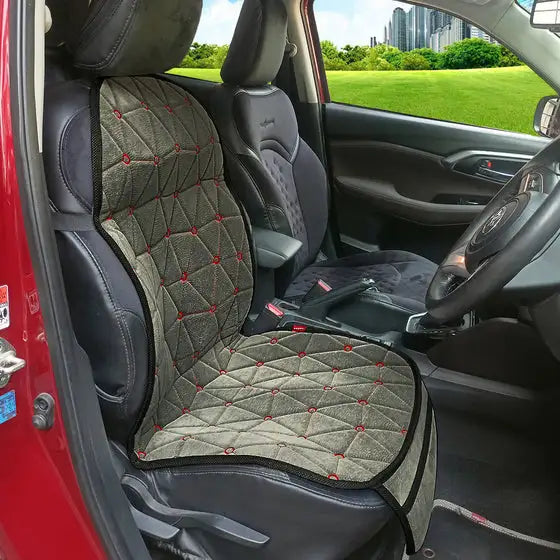
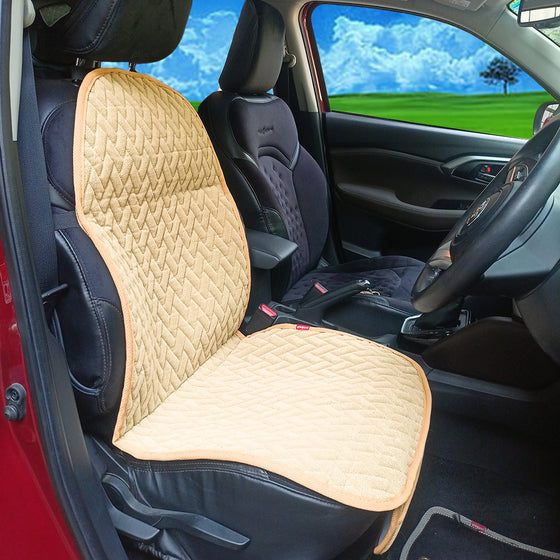
While not mandatory, many owners spend money on accessories such as seat covers, floor mats, sunshades, and infotainment upgrades. Regular cleaning, detailing, and basic upkeep also involve minor but recurring costs that add to the total ownership expense over time.
Calculating the Real Ownership Cost
To calculate the true cost of car ownership in India, it is important to consider the total of purchase price, fuel, insurance, servicing, repairs, depreciation, and other recurring expenses over the intended ownership period. Breaking these costs down monthly or yearly helps in understanding the actual financial commitment involved.
Final Thoughts
Owning a car in India offers convenience and freedom, but it also comes with long-term financial responsibilities. Looking beyond the initial price and understanding all associated costs helps buyers choose a car that fits their budget not just today, but for years to come. Being aware of the true cost of car ownership leads to smarter decisions, better planning, and a more satisfying ownership experience.
Related Posts


Leave A Reply
Your email address will not be published. Required fields are marked *
Products list


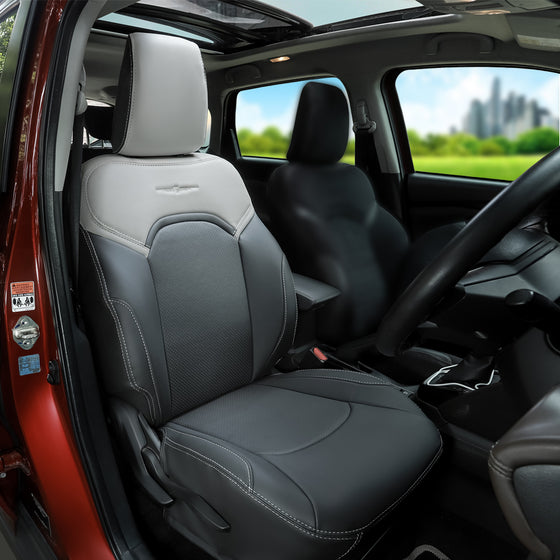
Yolo Fabric Car Seat Cover For Tata Curvv


Elegant Comfy Velvet Cushion & Neck Rest Car Pillow CU12