E20 Petrol vs Flex Fuel Cars: Understanding the Future of Sustainable Driving in India

India is taking significant steps towards reducing fuel imports and lowering vehicle emissions through alternative fuel technologies. Two terms that are becoming increasingly common are E20 petrol and flex fuel vehicles (FFVs). While both are designed to support cleaner mobility, they are not the same.
If you're planning to buy a new car or simply want to stay informed about the future of automotive technology, understanding the difference between E20 fuel and flex fuel vehicles can help you make better decisions.
At Elegant Auto Retail, we believe informed drivers make smarter choices. Here's everything you need to know about E20 petrol and flex fuel cars.
What Is E20 Petrol?
E20 petrol is a blend containing 20% ethanol and 80% petrol. Ethanol is a renewable biofuel primarily produced from sugarcane, corn, and other agricultural sources.
The Government of India has introduced E20 fuel as part of its strategy to increase ethanol blending, reduce dependence on imported crude oil, and lower carbon emissions.
Compared to regular petrol, E20 fuel offers several environmental and economic advantages while requiring only minor modifications to compatible vehicles.
What Are Flex Fuel Cars?
Flex fuel vehicles (FFVs) are specially engineered automobiles capable of running on multiple fuel blends.
Unlike vehicles designed only for E20 petrol, flex fuel cars can automatically adjust to different ethanol concentrations, ranging from regular petrol to high-ethanol blends such as E85 (85% ethanol).
These vehicles use advanced sensors and engine management systems that detect the ethanol content and optimize fuel delivery for smooth performance.
E20 Petrol vs Flex Fuel Cars
|
Feature |
E20-Compatible Cars |
Flex Fuel Cars |
|
Fuel Compatibility |
Up to 20% Ethanol |
Multiple ethanol blends, including E20 and E85 |
|
Engine Design |
Modified for E20 |
Specially designed for varying ethanol levels |
|
Fuel System |
Standard E20-compatible components |
Enhanced fuel system and engine calibration |
|
Flexibility |
Limited to E20 |
Supports different ethanol blends automatically |
|
Future Ready |
Good |
Excellent |
Benefits of E20 Petrol
Reduced Carbon Emissions
Blending ethanol with petrol helps reduce greenhouse gas emissions and supports cleaner transportation.
Lower Dependence on Imported Oil
India imports a large portion of its crude oil requirements. Increasing ethanol usage helps improve energy security and reduce foreign exchange expenditure.
Supports Farmers
Ethanol production creates additional demand for agricultural crops such as sugarcane and maize, providing new income opportunities for farmers.
Better Combustion
Ethanol contains oxygen, which promotes more complete combustion and may help reduce certain exhaust emissions.
Advantages of Flex Fuel Vehicles
Greater Fuel Flexibility
Drivers can use different ethanol blends depending on fuel availability without worrying about manual adjustments.
Environmentally Friendly
Higher ethanol blends can contribute to lower fossil fuel consumption and reduced emissions.
Future-Proof Technology
As ethanol infrastructure expands across India, flex fuel vehicles will be well-positioned to take advantage of a wider range of fuel options.
Intelligent Engine Management
Modern flex fuel systems automatically optimize engine performance based on the ethanol percentage in the fuel.
Are Existing Cars Compatible with E20 Fuel?
Not every petrol vehicle is designed to use E20 fuel.
Many newer vehicles manufactured in recent years have been developed or updated to support E20 compatibility. However, owners of older petrol vehicles should consult their vehicle manufacturer before regularly using E20 fuel.
Using a higher ethanol blend in a vehicle not designed for it may affect components such as fuel lines, seals, and engine performance over time.
Will Flex Fuel Cars Replace Petrol Cars?
Flex fuel vehicles are expected to complement rather than immediately replace conventional petrol vehicles.
As India's ethanol production and fuel distribution network continue to grow, flex fuel technology may become more widely available. However, conventional petrol vehicles, E20-compatible vehicles, hybrid cars, and electric vehicles are all likely to coexist for many years.
What Does This Mean for Car Owners?
If you're purchasing a new petrol car, it's worth checking whether it is E20 compatible. This ensures that your vehicle aligns with India's evolving fuel standards and can operate efficiently as ethanol blending increases.
For buyers looking toward long-term sustainability, future flex fuel models may offer additional flexibility as higher ethanol blends become more widely available.
Don't Forget Your Car Accessories
Whether you drive a petrol, E20-compatible, flex fuel, hybrid, or electric vehicle, protecting your investment is equally important.
Premium automotive accessories can improve comfort, convenience, and vehicle longevity.
At Elegant Auto Retail, we offer a wide range of high-quality automotive accessories, including:
- Premium seat covers
- 7D and 9D floor mats
- Steering wheel covers
- Neck and lumbar cushions
- Car care accessories
Our products are designed to complement modern vehicles while enhancing your everyday driving experience.
The Road Ahead
India's transition toward cleaner mobility is gaining momentum, and both E20 petrol and flex fuel technology are important milestones in that journey.
E20 fuel offers an immediate way to reduce emissions using existing infrastructure, while flex fuel vehicles provide greater adaptability for the future. Understanding these technologies can help buyers choose vehicles that are better prepared for changing fuel standards and environmental goals.
Whether you're upgrading your car or exploring the latest automotive innovations, staying informed today will help you make smarter decisions for tomorrow.
Frequently Asked Questions
Is E20 petrol safe for all cars?
No. Only vehicles approved by the manufacturer for E20 fuel should regularly use it.
Can a flex fuel car run on normal petrol?
Yes. Flex fuel vehicles are designed to operate on regular petrol as well as higher ethanol blends.
Is E20 petrol cheaper than regular petrol?
Fuel prices vary depending on government policies and market conditions.
Are flex fuel cars available in India?
Several manufacturers have announced plans to introduce flex fuel models, and availability is expected to increase as ethanol infrastructure expands.
Which is better: E20-compatible cars or flex fuel cars?
If you want compatibility with the current fuel standard, an E20-compatible car is a practical choice. If you are looking for greater flexibility for future fuel options, a flex fuel vehicle offers broader compatibility as higher ethanol blends become more common.
Related Posts


Leave A Reply
Your email address will not be published. Required fields are marked *
Products list

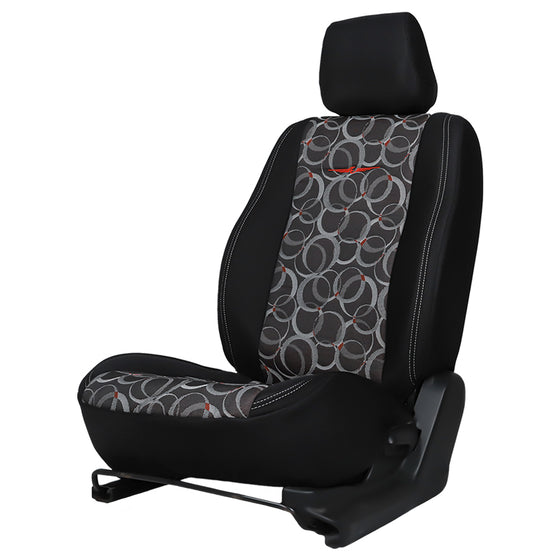
Yolo Fabric Car Seat Cover For Tata Curvv

Elegant Comfy Velvet Cushion & Neck Rest Car Pillow CU12