Top Ways to Prevent Scratches on Your Car from Indian Road Conditions

Indian roads — whether in bustling cities, crowded towns, or rural stretches — can be unpredictable. From narrow lanes to unpaved patches and close-quarter parking spaces, your vehicle’s exterior faces a variety of hazards every day. Even careful driving doesn’t always prevent minor scrapes or surface damage. The good news is that with a combination of smart habits and protective accessories, you can significantly reduce the risk of scratches and keep your car looking newer for longer.
Why Scratches Happen: Common Situations on Indian Roads
Understanding where and how scratches occur is the first step in preventing them. On Indian roads, some of the most frequent causes include:
-
Tight parking spaces with close proximity to walls, poles, or adjacent cars
-
Rough or uneven road surfaces that cause stones and debris to flick upward
-
Flapping dust covers and rope straps touched against painted surfaces
-
Branches, hedges, and roadside vegetation brushing against the vehicle
-
Careless loading/unloading of items on roof racks
While minor scratches may seem cosmetic, they can reduce the appearance and resale value of your car. Deeper scratches can expose the metal beneath the paint and lead to corrosion over time if left untreated.
Practical Ways to Protect Your Car from Scratches
1. Choose the Right Parking Spots
One of the simplest precautions is to optimize your parking choices:
-
Leave extra space between your car and neighboring vehicles
-
Avoid backing into tight corners near walls or ramps
-
If possible, park away from heavily trafficked spots where doors often get slammed
Even small adjustments in parking location can significantly cut down on the risk of dings and surface marks.
2. Use Paint Protection Film (PPF)
Paint Protection Film (also called clear film or clear bra) is a transparent, flexible layer applied over the car’s paint. It acts as a barrier between the surface and external contact.
Benefits of PPF:
-
Guards against light scratches and swirl marks
-
Protects against road debris and minor impacts
-
Maintains original paint finish
-
Can be replaced in damaged areas without repainting the whole car
PPF is especially useful for high-impact zones such as the front bumper, hood, and door edges.
3. Install Door Edge Guards and Side Mouldings
Door edge guards are narrow strips that cover vulnerable paint edges where scratches often occur — especially in parking lots. Side mouldings not only serve a visual purpose but also absorb minor impacts from other car doors or objects.
These additions provide an inexpensive protective layer at key contact points.
4. Regular Washing and Gentle Drying
A build-up of dust and grime can actually cause fine scratches if the car is wiped incorrectly:
-
Rinse first: Use a hose to wash off loose dirt before touching the surface
-
Use a soft microfiber cloth: This reduces friction and prevents fine scratches
-
Avoid circular rubbing: Wiping in straight lines is gentler on paint
-
Dry thoroughly: Moisture left on the surface can attract more dust
Avoid using household towels or rough materials — they can unknowingly add micro-scratches.
5. Choose Protective Car Covers
If you park outdoors, especially where there are trees, birds, dust, or construction, a quality car cover provides all-around protection. Covers shield the car from:
-
Branches, sap, and falling debris
-
Dust and sand that accumulate over time
-
Rain and moisture that can affect paint quality
Lightweight covers are suitable for daily use, while heavy-duty ones are better for long-term parking.
6. Be Mindful During Loading and Unloading
Whether carrying groceries, gear, or luggage, always be careful during handling:
-
Avoid dragging items across the car surface
-
Use blankets or protective mats to cushion items placed on the hood or roof
-
Keep keys and sharp objects away from painted panels
Small precautions reduce accidental contact that often leads to scratches.
Regular Inspection and Timely Touch-Ups
Even with careful prevention, minor imperfections may still occur. It’s a good practice to regularly inspect your car for fresh marks. Light scratches can often be removed with polishing or scratch-removal kits available in the market. For deeper scratches, professional touch-ups or repainting may be required to prevent corrosion.
Final Thoughts: Prevention is Better Than Cure
Protecting your car’s exterior doesn’t require extensive effort — a blend of thoughtful driving habits, a few protective accessories, and regular care goes a long way. By understanding where scratches are most likely to happen and applying smart solutions, you can preserve your vehicle’s appearance and enjoy a smoother ownership experience.
Related Posts


Leave A Reply
Your email address will not be published. Required fields are marked *
Products list


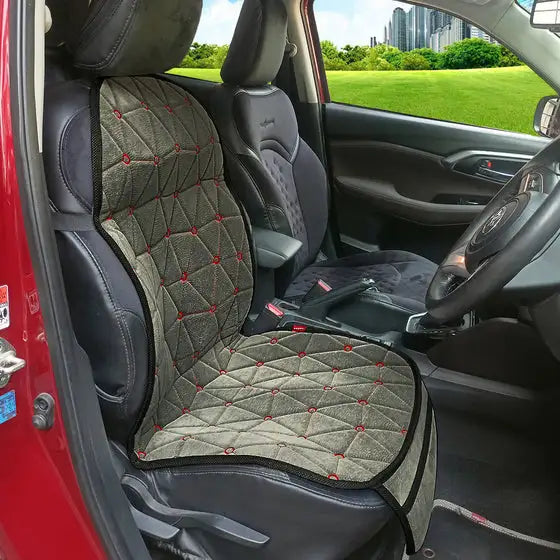
Yolo Fabric Car Seat Cover For Tata Curvv



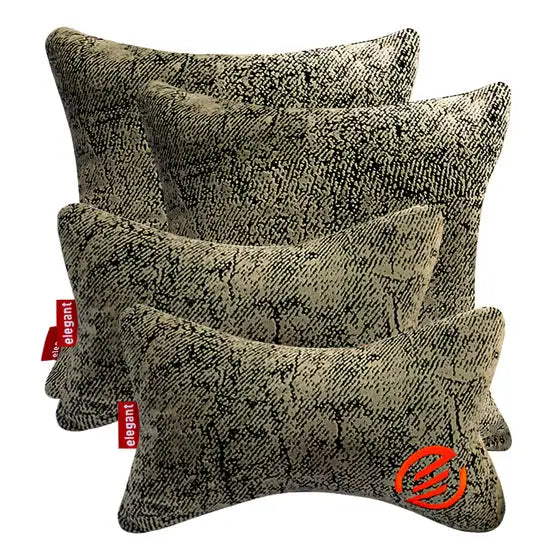
Elegant Comfy Velvet Cushion & Neck Rest Car Pillow CU12